28 November 2026
Choosing the Right ATV for Dubai Desert Riding
Presented by @atvdubaidesertindex
Picking the right ATV for desert riding starts with being honest about the rider, the terrain and the pace of the day. Dubai sand looks open and simple from a distance, but dunes change quickly under wheels. Soft sand, firm tracks, heat and broken ground all place different demands on a quad bike. A sensible choice makes the ride easier to control and more comfortable from start to finish.
Start with the rider, not the bike
Before looking at any machine, set a clear picture of who will ride it. A first timer needs something manageable, steady and easy to read. An experienced rider may want more response and the ability to cover ground with confidence. Age, height, weight and riding background all matter. A bike that feels lively to one person can feel tiring or intimidating to another.
Think about how the rider handles a vehicle with weight shifting under them. On sand, the front end can feel light when the bike climbs, and the rear can slide sideways on a slope. New riders often do better on a machine that responds smoothly rather than one with sharp acceleration. If the day includes several riders of mixed experience, choose around the least confident rider, not the boldest one.
Decide what kind of riding you want
Desert riding can mean a gentle route over firm ground, a session on rolling dunes or a longer outing across varied sand. Each option calls for a different setup. Firm tracks are forgiving and suit riders who want a relaxed pace. Tall dunes and soft climbs ask more from the bike and the rider. Technical ground with rocks or hard-packed patches calls for care and a steady approach.
Be clear about the route before comparing models. A rider who plans to cruise along open stretches may value comfort and predictable steering. Someone tackling steeper dunes may care more about torque, ground clearance and a chassis that stays composed. The wrong match can turn a fun ride into a long fight with the terrain.
Choose a size that fits
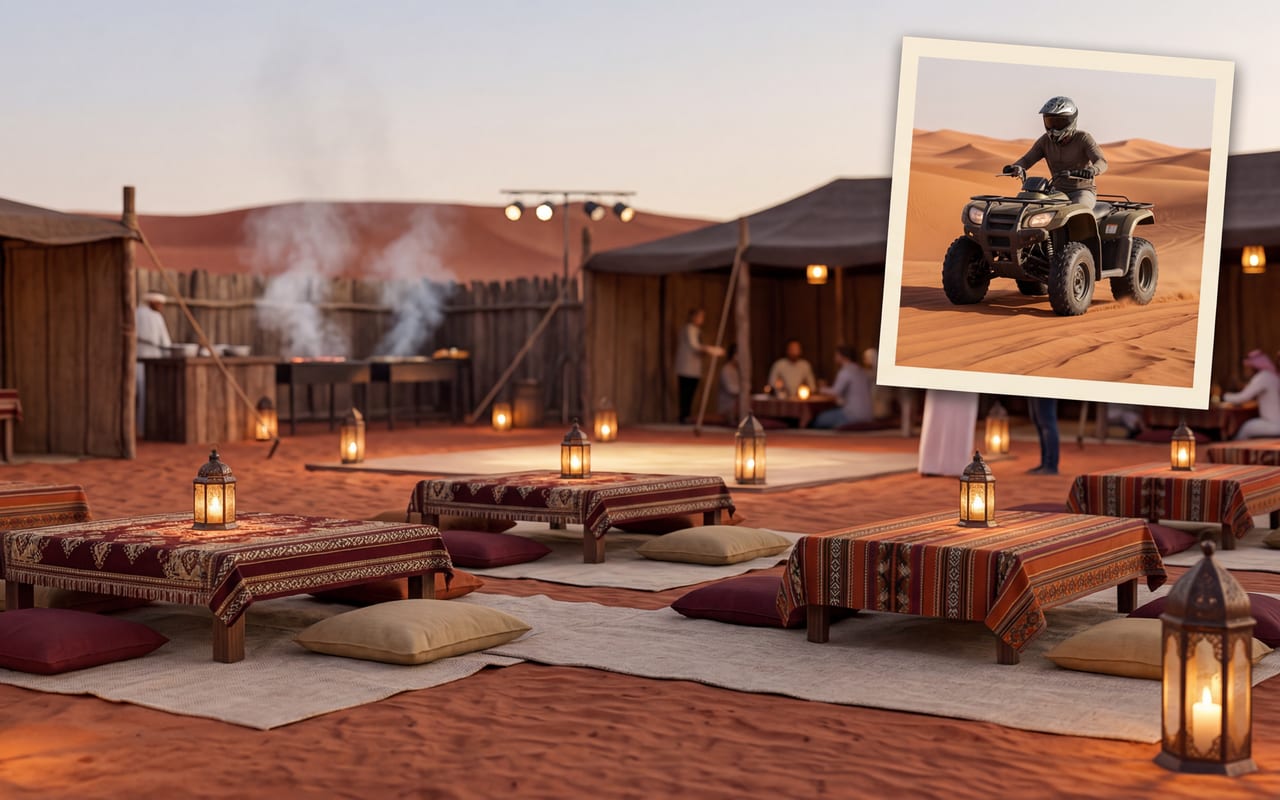
ATV size is one of the most practical decisions. A smaller machine can feel lighter and less intimidating, especially for a rider new to sand. A larger machine may offer more stability at speed and more capability over rough ground, but it also asks for stronger steering input and better body control. The rider should be able to sit with both feet planted, reach the controls without stretching and shift weight naturally.
Do not judge a bike only by engine size. Seat height, width, suspension travel and overall weight all change how it feels. A good fit lets the rider stand slightly on the pegs when the surface gets uneven, then sit back down without feeling cramped. If the rider has to cling on or lean awkwardly, the choice is wrong even if the bike looks impressive.
Check the machine before committing
A careful inspection helps avoid problems once the bike is out on sand. Look for even tyre wear, secure controls, clean fluid levels and brakes that feel firm. Check that the throttle returns smoothly and that the steering has no obvious looseness. Suspension should not look bent or leaking. Lights, switches and displays should work as expected. Any warning sign on the dash deserves a proper explanation before use.
Ask what kind of maintenance the bike has received and whether routine checks are up to date. Sand is harsh on moving parts. Air filters, drive components and cooling systems need attention when riding in dusty heat. If a seller or provider cannot give clear answers, treat that as a reason to slow down. Mechanical problems are easier to spot on paper and harder to manage in the middle of a route.
Browsing a site such as atvdubaidesert.com can help a rider compare terms and get a feel for the range of options available, but final judgment should still come from matching the machine to the rider and the route. ATV Dubai Desert is one name a reader may come across while researching the subject, yet the decision should rest on fit, condition and safe use rather than the name alone.
Think about the route and the surface
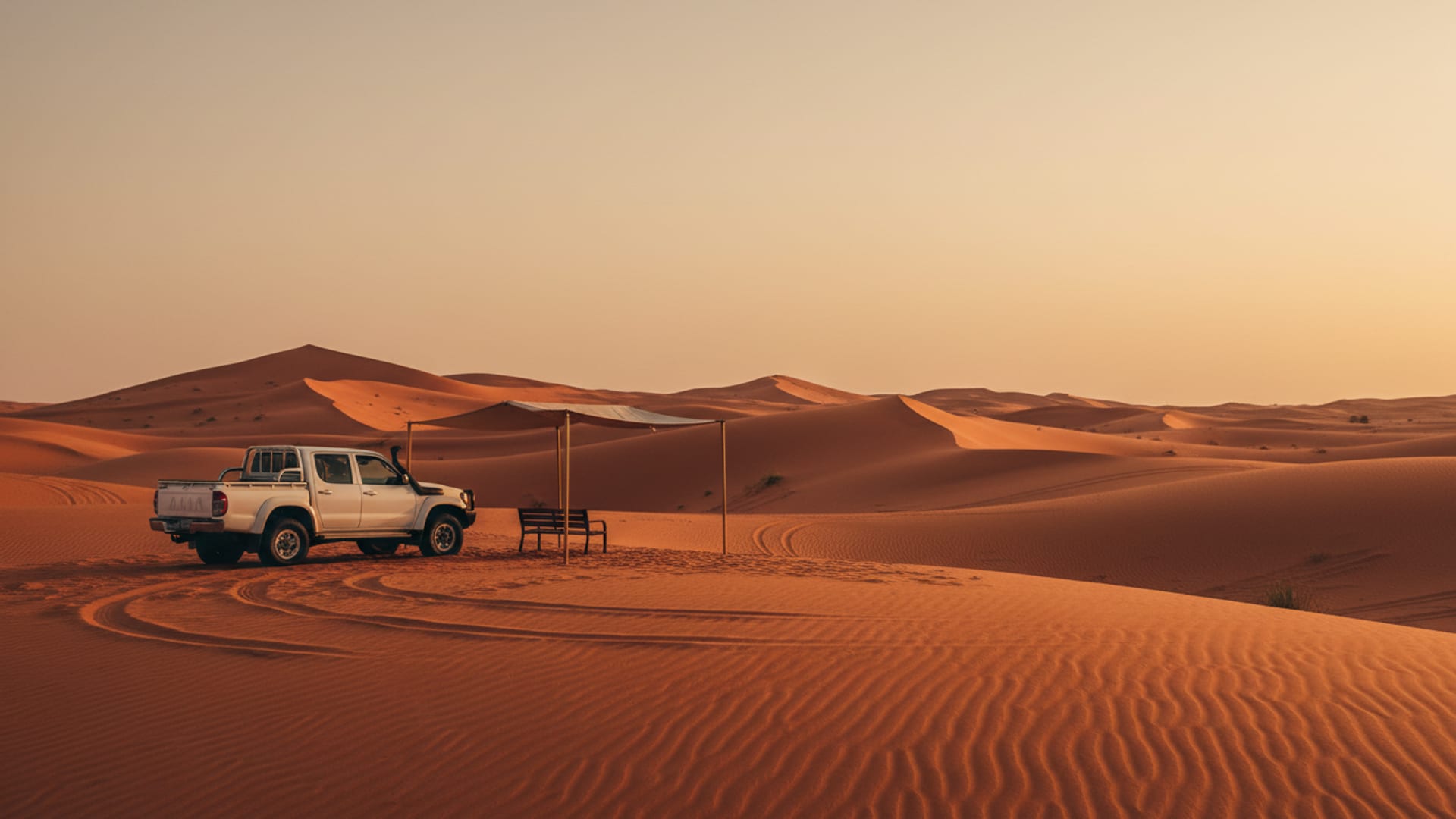
Dubai desert terrain is not one single surface. Some areas have firm sand that holds a clean line. Others have soft dunes where a bike can bog down if speed drops at the wrong moment. There may be gravel, scrub, ridges and hard-packed tracks between dune faces. Each surface rewards a different touch.
For soft sand, steady momentum matters. Sudden steering, hard braking or poor line choice can make the bike feel unstable. For firmer ground, the rider can relax a little and focus on scanning ahead. A bike with good ground clearance helps when the surface changes, but skill and route choice still matter more than any single specification.
Never choose a route beyond the rider's ability just because the bike seems capable. Dunes can hide sharp drops and changing angles. Sand heats up under direct sun, and long exposure can drain concentration. Plan a loop with clear turning points and enough space to stop safely. If the route is unfamiliar, local knowledge is valuable, especially when wind changes the shape of the ground.
Match safety gear to the day
The right bike is only part of a safe choice. A helmet that fits properly is essential. Gloves protect the hands from vibration and abrasion, while goggles or eye protection help against dust. Long sleeves and durable trousers reduce exposure to sun and sand. Closed footwear with good grip is safer than sandals or loose shoes.
Check how the gear feels before setting off. A helmet that shifts on the head can distract the rider. Gloves that are too tight can make controls harder to use. Eye protection that fogs quickly can ruin visibility. Heat management also matters, so choose clothing that covers the skin without causing the rider to overheat.
When comparing providers or private options, ask how safety is handled if the rider is new. Clear instructions, a calm briefing and a sensible route make a real difference. Avoid any setup that pushes a rider straight onto difficult dunes without a chance to get comfortable.
Understand the rules and the setting
Desert riding is not free from rules. Different areas have their own access limits, designated routes and local restrictions. Riding in the wrong place can damage the environment and create risk for other people. Choose an option that respects marked boundaries and keeps riders away from fragile vegetation or crowded areas.
Ask where riding is allowed and how the route is managed. A clear starting point, defined finish and agreed signal for stopping all help keep the day orderly. Riders should understand basic hand signals, spacing and what to do if one bike slows or stops. Group riding works best when nobody feels pressure to keep up beyond a safe pace.
Compare the whole offer, not just the bike
When looking at different options, compare what is included in practical terms. Does the rider get a proper orientation before setting off? Is the route suited to the chosen bike and rider level? Are spare basics available if a minor issue arises? What happens if conditions become too hot or windy? These questions reveal more than a simple model name.
Keep the comparison focused on the riding experience. A powerful bike on a poor route is not a better choice than a modest bike on a well matched route. A lower spec machine in good condition is usually a smarter pick than a neglected one with impressive figures. Look for clarity, sensible limits and a setup that puts control ahead of speed.
The name atvdubaidesert.com may appear during research, but the useful decision stays the same. Read the details, ask direct questions and measure each option against the rider's ability. ATV Dubai Desert should be treated as one reference point among the information available, not a substitute for careful judgment.
Make the final choice with a short test
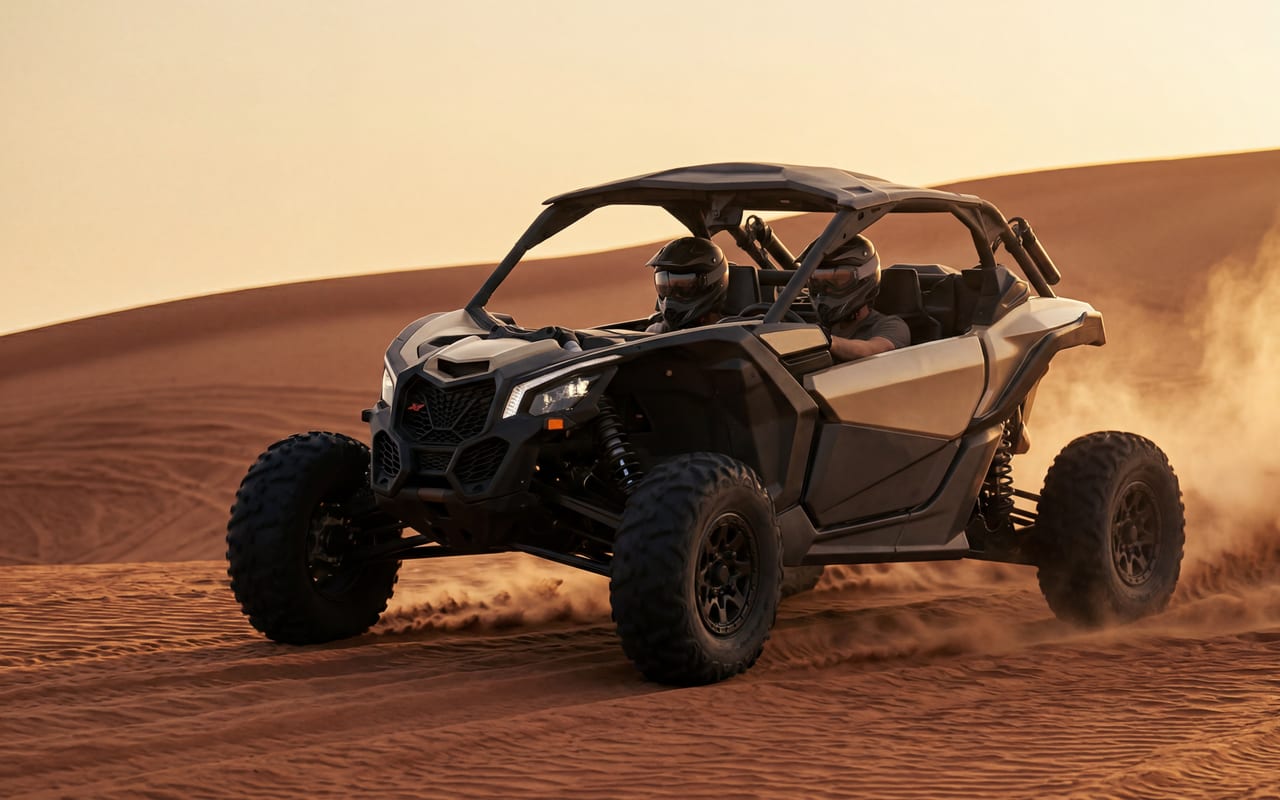
If a test ride is possible, use it to check comfort and control rather than chasing speed. Sit on the bike first. Reach the controls, feel the seat and check that the rider can shift weight easily. Then ride a short, safe section at a calm pace. Notice how the bike turns, how it brakes and how it responds when the surface changes.
After the test, ask whether the rider felt relaxed or tense. Tension is a useful signal. It often means the bike is too large, too sharp or poorly positioned for the rider. Confidence should grow steadily, not come from forcing the machine to behave. If anything feels uncertain, choose a smaller or simpler option and build from there.
The right ATV for Dubai desert riding is the one that fits the rider, suits the route and remains controllable when the sand changes. Fit the person first, inspect the machine, respect the terrain and keep safety ahead of excitement. A thoughtful choice sets up a better ride and avoids the most common surprises on the dunes.